The Genealogies of Modernity Journal


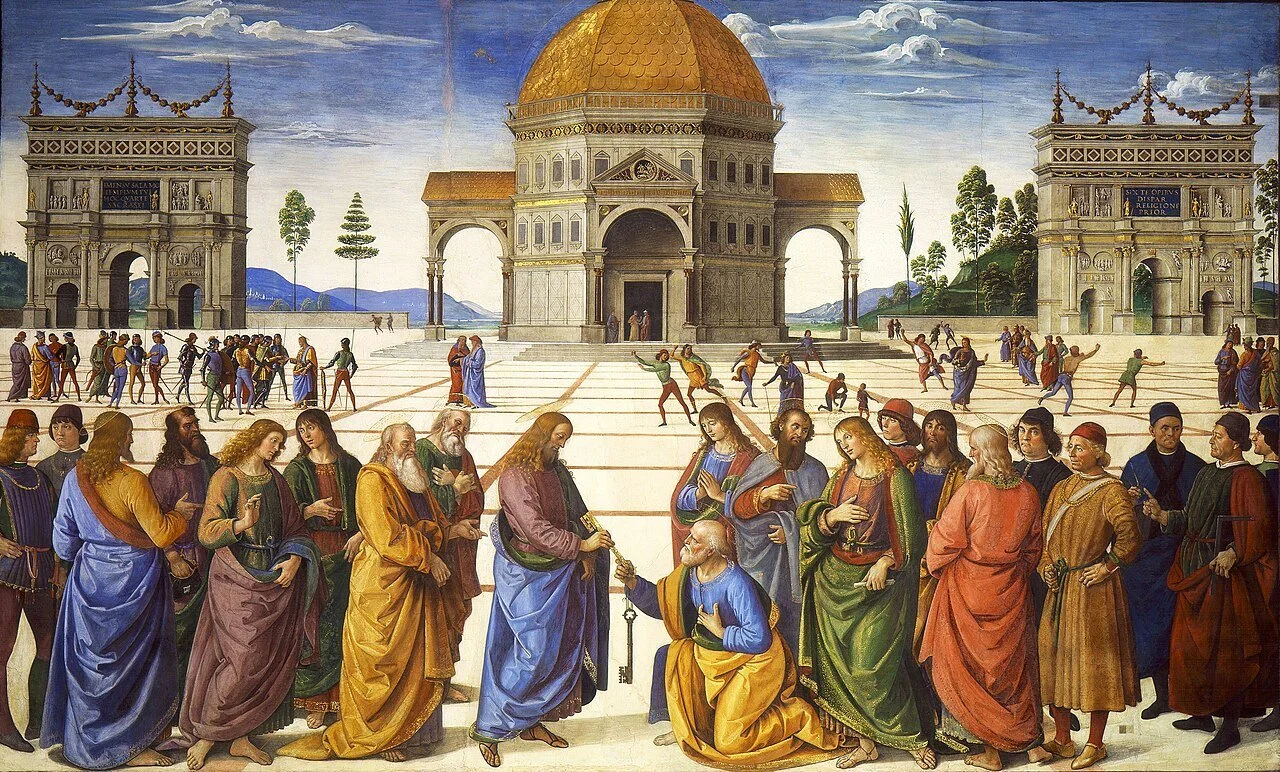
Authority and Its Counterfeits: A Conversation with D.C. Schindler, Part IV
To dignify means to show something as not being a mere instrument—to show that the dignified thing has a value in itself… There is a connection between dignifying and allowing something to stand forth into the True. This very concrete, aesthetic sense of authority is, I take it, what allows us to think properly—in a free way.
Lucas B. Carroll interviews D. C. Schindler on the crisis of authority
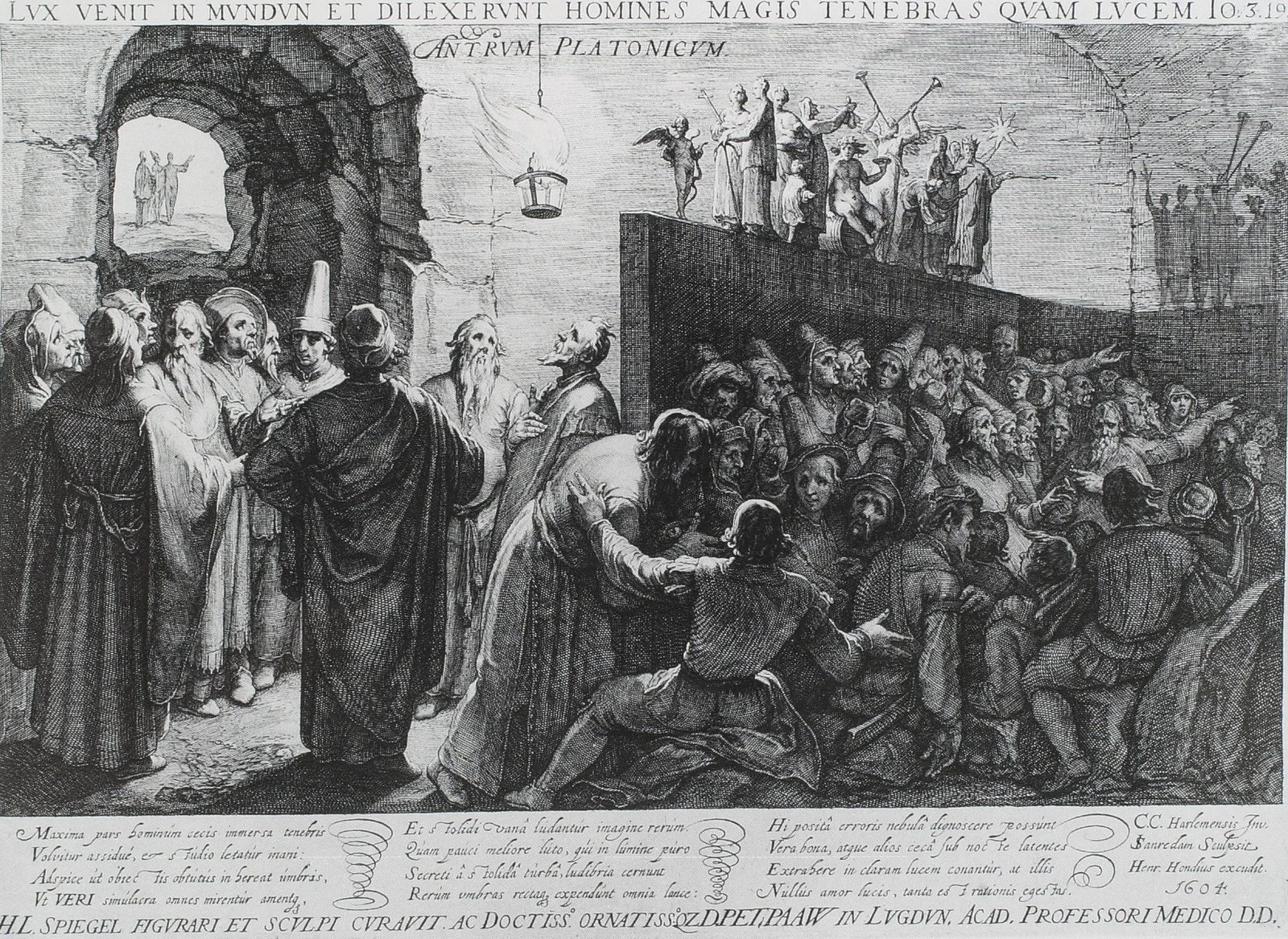
Authority and Its Counterfeits: A Conversation with D.C. Schindler, Part III
The most important role of the authority is, actually, to make truth possible and accessible to everyone. To allow things to stand out not only in their particular usefulness in this or that way, but indeed to show themselves as they are, to allow them to stand forth most fundamentally in their being.
Lucas B. Carroll interviews D. C. Schindler on the crisis of authority
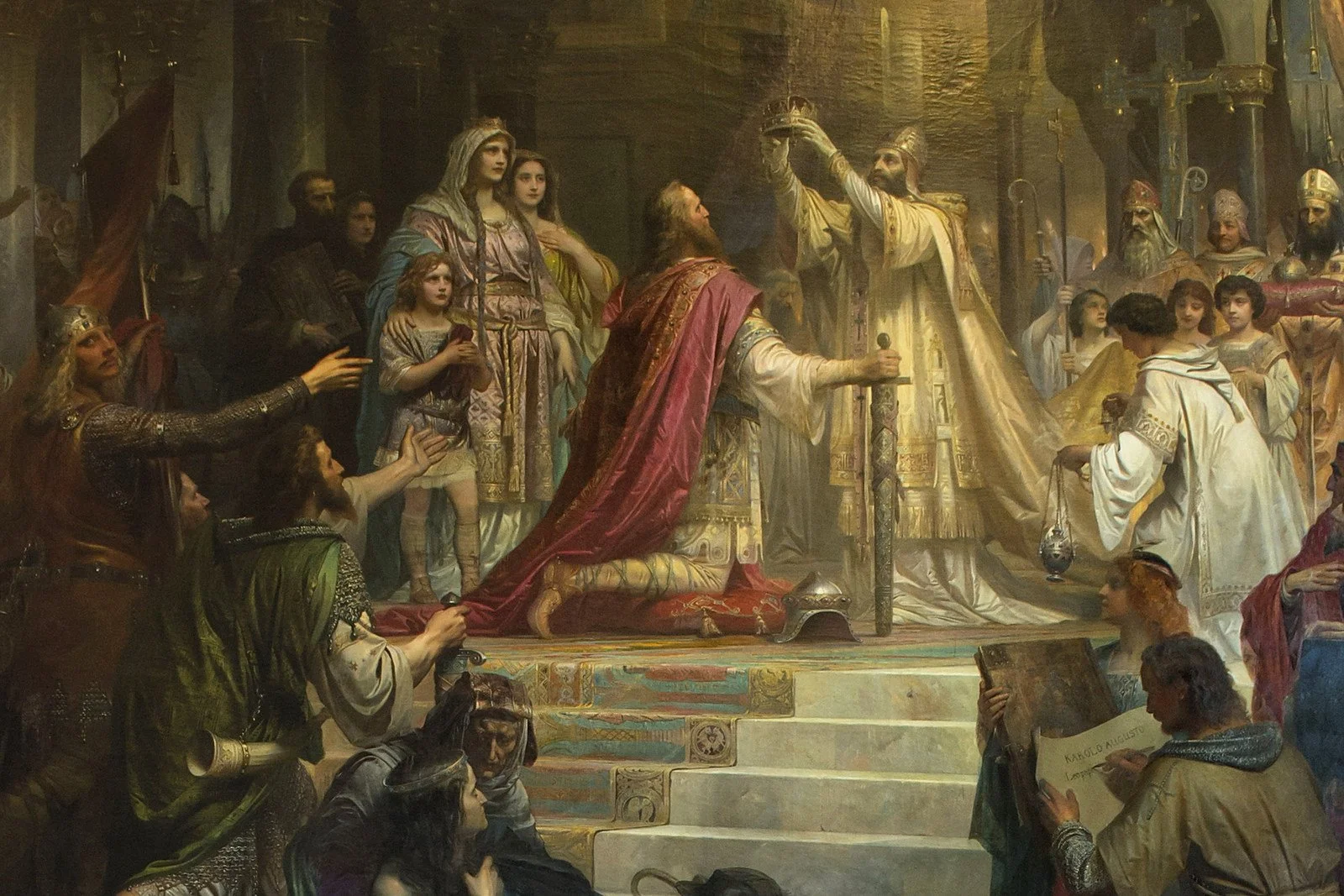
Authority and Its Counterfeits: A Conversation with D.C. Schindler, Part II
You eliminate the symbolic presence of God in the world when you kill the king. Let me be clear that this does not mean that we need to have a king…But what we do need to have is a sense of political authority that includes a metaphysical-theological dimension, and whatever form that might take in the future.
Lucas B. Carroll interviews D. C. Schindler on the crisis of authority
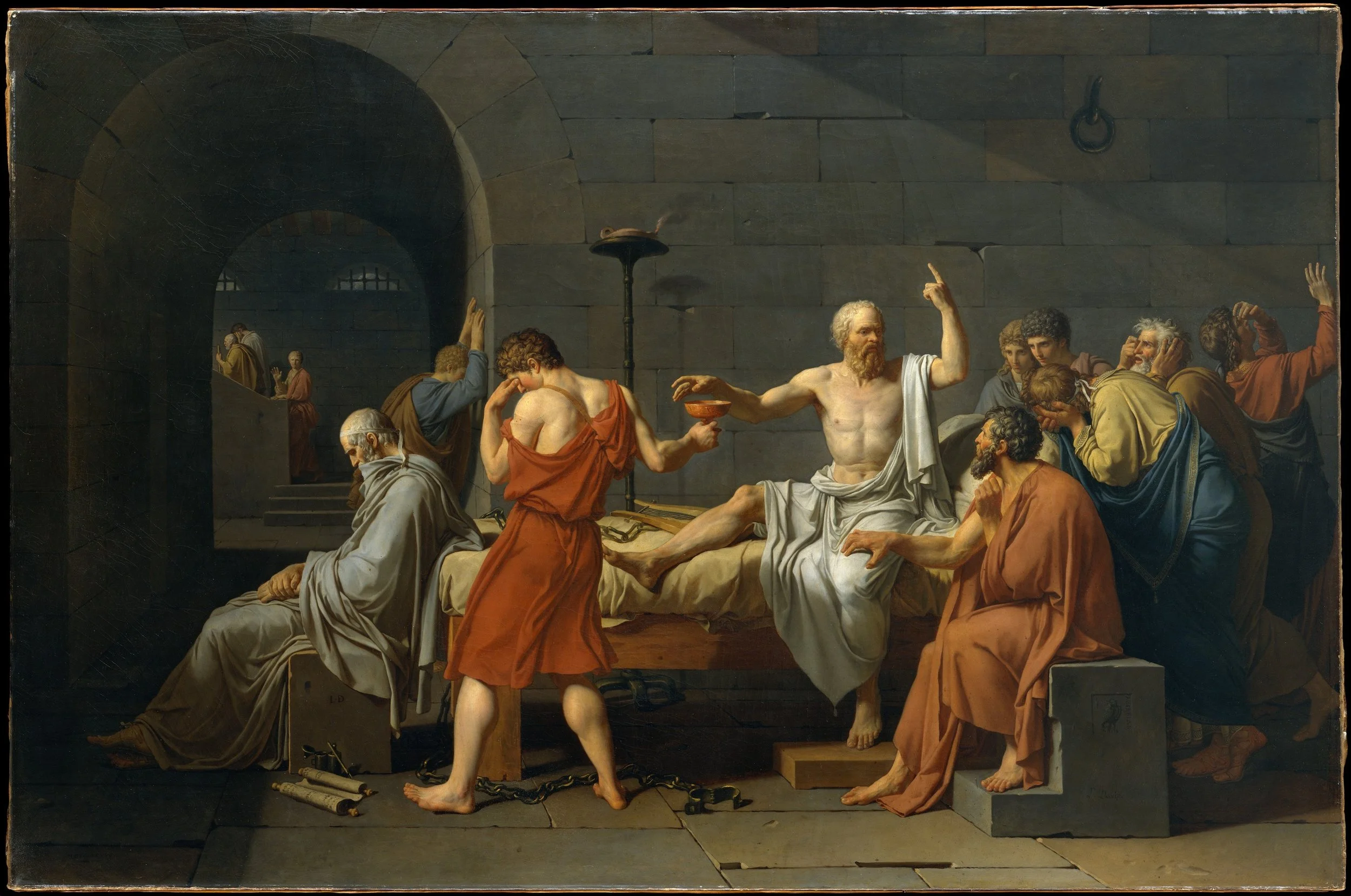
Authority and Its Counterfeits: A Conversation with D.C. Schindler, Part I
[A]uthority is concerned with a sphere of existence that far exceeds the merely pragmatic order. It ultimately includes the order of thought, and, ultimately, the order of being simply.
Lucas B. Carroll interviews D. C. Schindler on the crisis of authority

What Modernist Converts Walked Away From: T. S. Eliot and Liberal Protestantism, Part III
With Eliot as an example…perhaps we might find that sacramental theology and the metaphysical worldview, more than authority, was what Eliot and others were seeking.
Jayme Stayer on T. S Eliot’s embrace of orthodoxy

What Modernist Converts Walked Away From: T. S. Eliot and Liberal Protestantism, Part II
When Unitarianism and Transcendentalism were no longer understood as brash rejections of institutional orthodoxy, but as the exact opposite…a young and rebellious T. S. Eliot would cast a pox on both their houses with four poems written in the spring of 1915.
Jayme Stayer on Liberal Protestantism in T. S. Eliot’s early poems

What Modernist Converts Walked Away From: T. S. Eliot and Liberal Protestantism, Part I
Is not reversion to the faith of one’s childhood just as religiously and sociologically significant as a conversion?
Jayme Stayer on modernist conversions and reversions

Virtual Reading Group: “Metamodernism: The Future of Theory”
Genealogies of Modernity hosts a reading group on Jason Ānanda Josephson Storm’s Metamodernism: The Future of Theory

Peter Maurin, the Sillon, and the Birth of the Young Christian Workers, Part II
The furrow that the Sillon ploughed – the seedbed of democratic consciousness, personal responsibility, and action rooted in faith – runs through the history of twentieth-century Catholic social thought in ways that have rarely been fully traced.
Stefan Gigacz on the Sillon Movement, Marc Sangnier, and Peter Maurin for our forum on Personalism and the Catholic Worker

Peter Maurin, the Sillon, and the Birth of the Young Christian Workers, Part I
Maurin’s emphasis on personal responsibility, manual labour, intellectual seriousness, and the transformation of society through small communities of practice echoes much of the Sillon’s methods and practice.
Stefan Gigacz on the Sillon Movement, Marc Sangnier, and Peter Maurin for our forum on Personalism and the Catholic Worker

Jacques Maritain on Modernity: Maligning Sovereignty and Salvaging Freedom
Despite claims of working for this moral good or that concept of order, the Personalists observed that political inscriptions of sovereignty often end up as examples of absolute power exercised without accountability. As such, there is no room for singular sovereignty within a philosophy centered on the well-being of persons.
Marty Tomszak on Maritain and sovereignty for our forum on Personalism and the Catholic Worker

Virtual Reading Group: The Genealogy of Genealogy
Genealogies of Modernity hosts a reading group on Jason Ānanda Josephson Storm’s The Genealogy of Genealogy

Peter Maurin: Philosopher and Saint Maker
Maurin called socialism the offspring of capitalism. In his eyes, both capitalism and socialism regard money as the basis of reality. But to Peter Maurin, the person was the basis of reality. The development and cultivation of the human spirit—rather than economic development—would create a new society.
James Murphy and Renée Roden on Peter Maurin’s life and philosophy for our forum on Personalism and the Catholic Worker

Love Letters from the 51st State
The U.P. possesses some quality that, in a particular and privileged way among America’s territories, points on a natural level to the supernatural. So, this is your invitation: book a trip to Marquette or Escanaba or Sault Ste Marie, rent a car, and drive – into the wilderness, into town, whatever – until inspiration strikes.
John-Paul Heil on the literature of the Upper Peninsula

Unpacking Gender and Sexuality in Modern Igbo Nigerian Society Through Oral Traditions
Exploring gender and sexuality in the Nigerian context allows us to consider how traditional cultures reflect an openness and flexibility that enables individuals who are often marginalized in modern societies to belong.
Obinna Tony-Francis Ochem on orality and modernity

The “Ascension” from Facticity
Heidegger moved on from “facticity”… to the themes of “homecoming” (Heimkunft) in relation to Being, our gentle “releasement” (Galassenheit) and “openness” to all that is, our grateful reception of the “gift” of Being.
Richard Capobianco on the later Heidegger

The Disreputable Fantastic: Truth Telling in Modern British Literature
Literary modernism is, in its way, a step towards the emergence of the fantasy genre, even as the modernist literary elite are the sort of readers prone to dismiss fantasy.
Sarah Coogan on the emergence of fantasy as a genre

An Ethics of Gesture in “It Was Just an Accident”
An ethic that is averse to instrumentality animates the thought of contemporary Italian philosopher Giorgio Agamben, and can be seen in Iranian director Jafar Panahi’s It Was Just an Accident, released in 2025.
Kyle Sossamon on an ethics of gesture

Steering Clear of Sycophants: Flatterers and the False Friend of AI
In most areas, Machiavelli and Erasmus disagree, but both adamantly warn princes against flatterers. Though medieval princes are rare in the present, warnings against flatterers may be more widely applicable than ever before because of AI.
Elizabeth Stice on genealogies of flattery

Monstrosity and Modernity
Monsters show that our critiques should target not only the process that turned nature into a mute object at the disposal of the human, but also the correlative process that reduced divine and supernatural forces to superstitions of the past.
Emre Keser on monsters and history