Across different Nigerian cultures, there is great diversity in gender expression. Igbo Nigerian society has historically not frowned on this diversity; in fact, gender plays a defining role in spiritual identity. For example, Yan Daudu in the Hausa culture of Northern Nigeria—effeminate men who express their identities differently and are believed to be possessed by the Bori spirit cult—are often compared to a third gender. Exploring gender and sexuality in the Nigerian context allows us to consider how traditional cultures reflect an openness and flexibility that enables individuals who are often marginalized in modern societies to belong.
This sense of cultural flexibility begins with the oral constitution of traditional cultures. Abrahamic religions operate within a framework dictated by sacred texts. Many interpretations of the Bible argue that its laws are meant to apply transhistorically. In contrast, Igbo spirituality is passed down through oral tradition, allowing for individual interpretations. Without written rules, such traditions can appear less structured than Abrahamic religions, but this also means that they can evolve and be responsive to new contexts. Perhaps one of the paradoxes of modernity is that such oral traditions are reemerging within modern culture, although this resurgence is often confined to academic spaces.
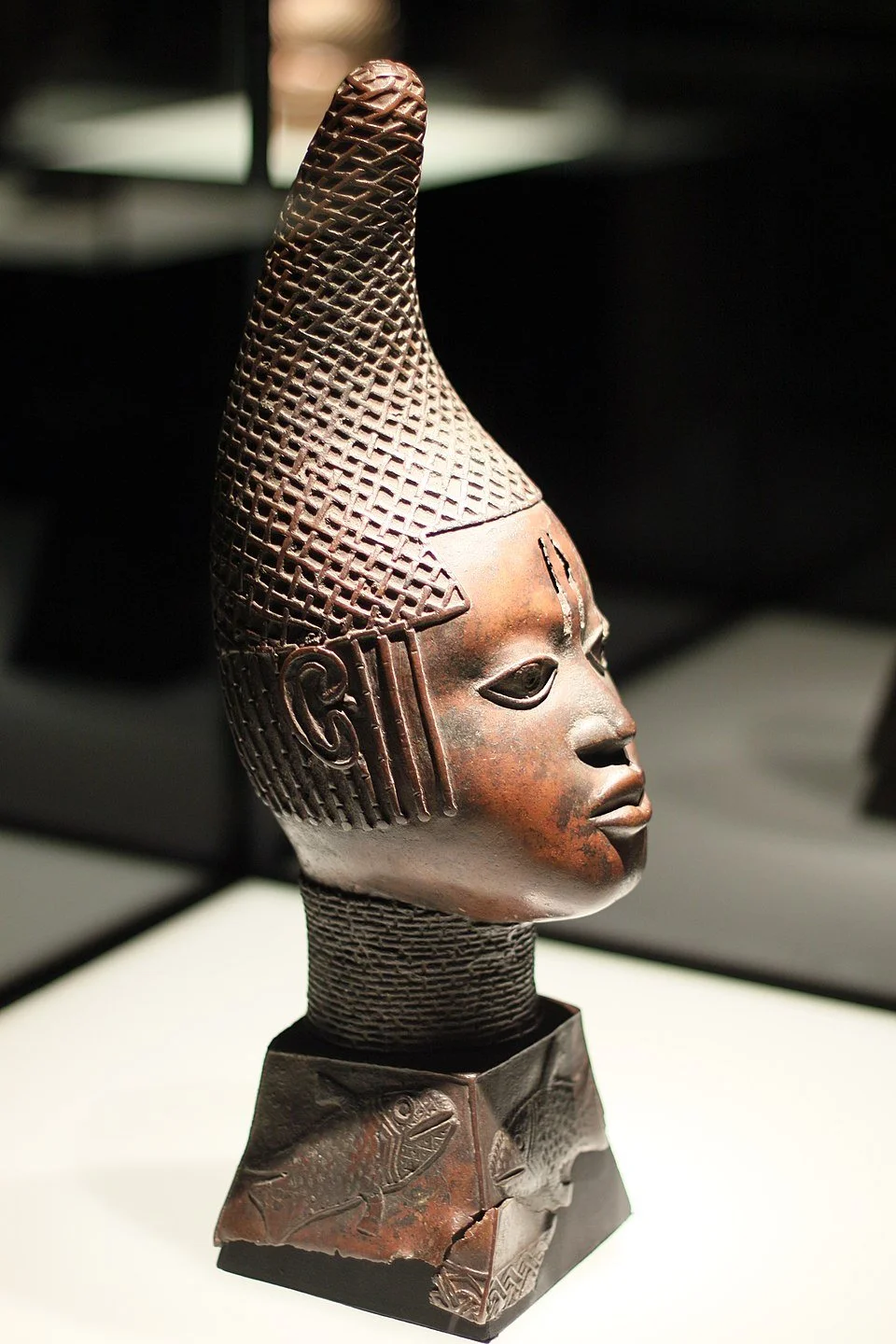
Bronze sculpture of Queen Idia of Nigeria, the Kingdom of Benin, c. 16th century, CC 4.0
Western liberal discourse around diverse gender identities and sexualities is often dismissed in Nigeria as alien or culturally imposed. However, queer Nigerian activists are beginning to reclaim historical identities. Through digital activism on platforms such as X (formerly Twitter), they are making visible the diversity of gender expressions that have always existed within Nigerian cultures. Igbo oral culture acknowledges the flexibility of gender and challenges the idea that the gender binary is universal. “Woman marrying woman” marriage, for instance, is a recognized cultural institution in which a woman becomes a “male daughter” through paying a “bride price” (the payment or gift that the groom and his family provide to the bride’s family). While this practice is rooted in misogyny, conferring the status of a male on a daughter due to the belief that being a daughter is not enough, it also reveals how existing structures can be open to broader interpretation. Patriarchy still exists in Igbo society, but power is mediated through cultural practices and can be socially negotiated. While the practice of paying bride price can reinforce hierarchies tied to wealth and economic power, it also creates pathways through which individuals can assume social roles traditionally reserved for men.
These ideas are also relevant in the realm of law. There is no formal legal framework within Igbo tradition, as rules and laws are transmitted orally. In contrast, modern, Western legal frameworks appear to provide more consistency and stability by being written down and codified, but they also introduce numerous shortcomings alongside their innovations. A Western legal framework developed in Nigeria in the late nineteenth century, which operated under English law during colonial rule before independence brought efforts to reshape the legal system. Western colonial administration reinforced male dominance. Yet long before British colonization, law and order already existed, particularly in Igbo society, where women in the Umuada (“daughters of the land”) and the Ndinyom (“wives of the lineage”) played significant roles in maintaining law and order within their communities. The Umuada share collective authority, making them custodians of the land and allowing them to facilitate conflict resolution. The wives of the lineage also play important roles in mediating disputes and maintaining social stability.
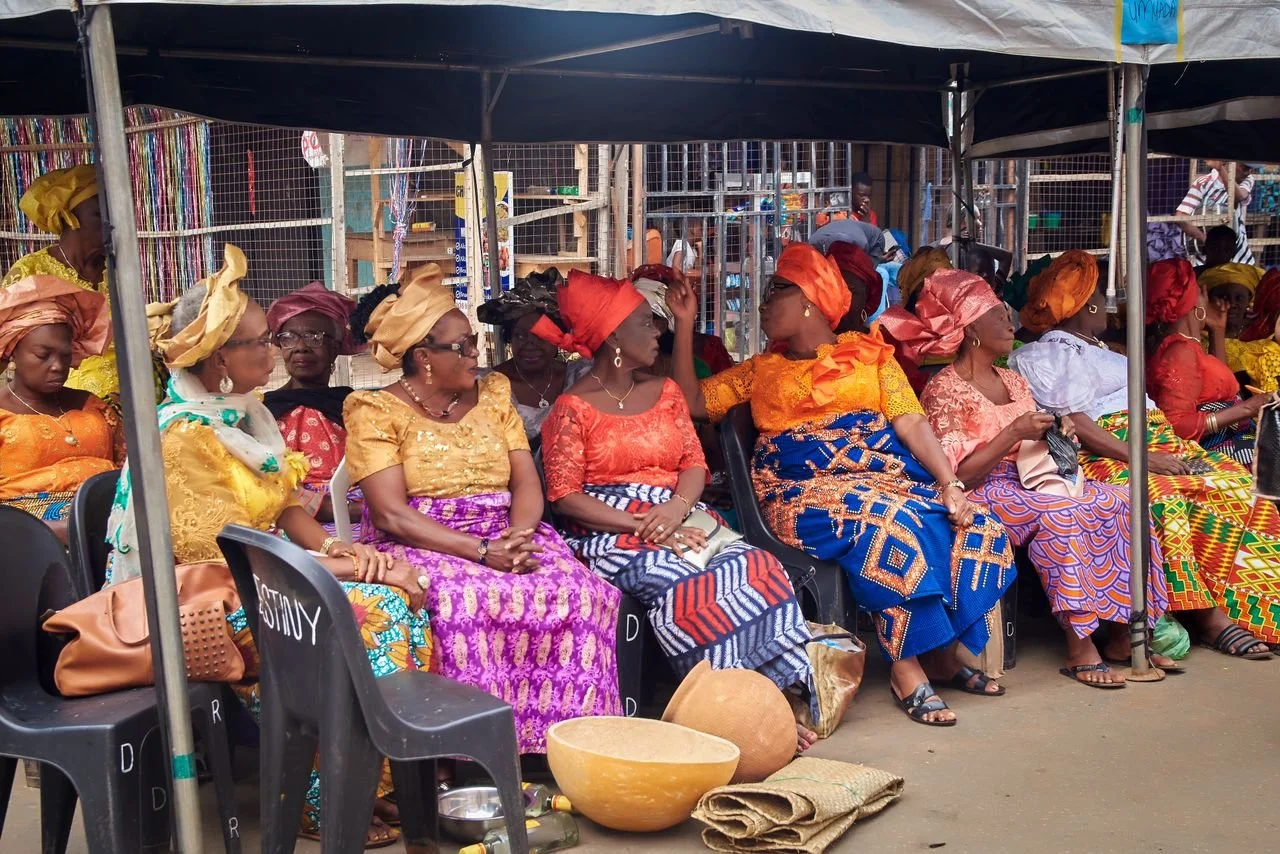

Gathering of members of the Umuada at a traditional Igbo ceremony in 2025, CC 4.0

The modern world has opened up many opportunities for women. Yet the past has always contained examples of empowered women. Nigerian history features women from those involved with the Umuada and Ndinyom to Queen Amina of Zazzau and Queen Idia of Benin. The former was a legendary warrior who led her army to multiple conquests, while the latter wielded immense influence and has been compared to King Solomon.
Modernity didn’t begin with women entering the workforce. Rather, modernity is a continuous progression of human existence. Unpacking gender and sexuality allows us to reconsider how culture functions and how modernity often restructures rather than replaces the past. Oral traditions, open to multiple interpretations, enable communities to engage with culture and tradition flexibly, unlike the rigid textual frameworks often associated with organized Abrahamic religions or Western legal systems. Modernity can be a useful term for describing technological change, but philosophically, it is less clear-cut, since human ideas often recycle across generations. Igbo culture itself reflects this complexity.