The Genealogies of Modernity Journal


Excommunicating Exoskeletons: The Case of Gregarious Grasshoppers
Why excommunicate these leggy litigants who had never been communicated? Whose chirps of defense fall on unwitting human ears?
Maggie Slaughter on grasshoppers
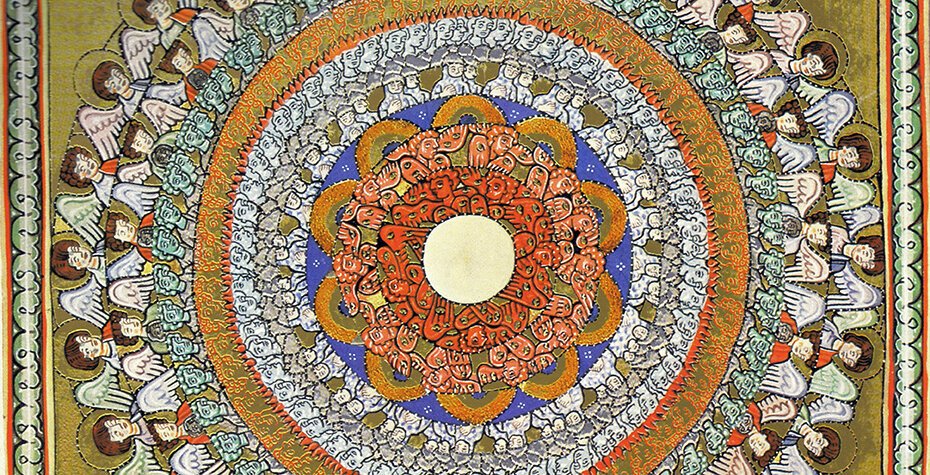
Beyond the Reach of Modern Reason: Thomas Gricoski’s Being Unfolded
Philosophy cannot be reliably quarantined from the reign of theology, for any reflection on being necessitates reflection on the eternal source of all being
Katherine Apostolacus follows Edith Stein through phenomenology into theology

‘Feeling’ Genealogy: A Personal Essay
My father’s obituary was simple. It read, ‘Charles D. Marsh/Garretson, 53, a lifelong resident of Jersey City passed away on May 3rd, 2020, at Hoboken University Hospital.’
Krystal Marsh on genealogies, Shakespeare, and memory.

What Truth Can be Found There? On Modern Art
This is something I can trust. Something I can give myself to, because in giving myself to it I don’t abandon my judgment, or foreswear my world. I set my eyes to work. I look into the painting. I look for how it shows itself to me. And I try to see what truth can be found there.
Tom Break on the hard road to truth.
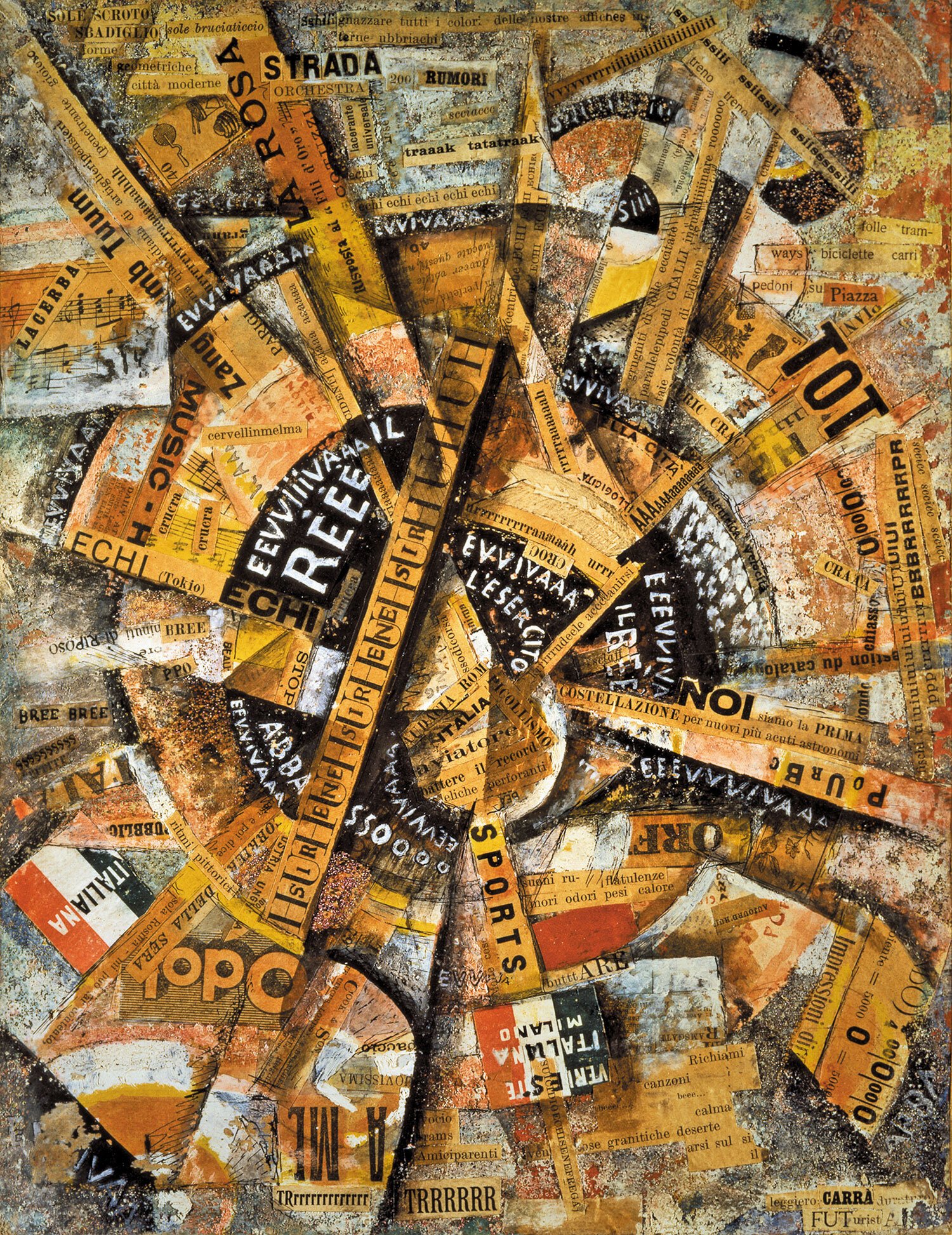
Human Dignity in the Technological Age
Growing dependence on technology allows the kind of independence the modern person craves: self-willed autonomy.
Catherine Yanko reads Romano Guardini during our digital lock-down

Seeing in the Spirit: On Modern Art
Making oneself look at the painting becomes a forcible quieting of the mind. And because the work requires looking with attention, what you see, at the end of the looking, you see consciously.
Tom Break traces spiritual art from Abbot Suger to Ad Reinhardt.


Striking the Right Note: Orchestras and the Pandemic
Coronavirus limitations actually present American orchestras with an excellent opportunity to explore music that American audiences rarely hear and to experiment with both old and new ways to perform classical music.
Jacob Martin looks for new paths for orchestral music.

Signed, Sealed, Delivered: The Mailbox Temple of Amritsar
Two containers with a temple complex: a ship and a mailbox. Both drip with blood drawn in white heat of colonial suspicions of rebellion and rights to autonomy.
Maggie Slaughter exposes colonialism and orientalism in a mailbox and a passenger ship

We Are What We Behold
While the ancients may have had the science wrong, the reality of the experience to which they referred by the “Gorgon effect” still rings true today.
J. Larae Cherukara revaluates forgotten theories of optics
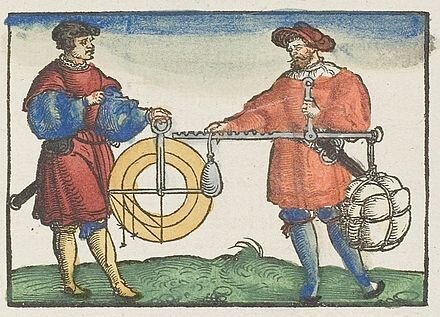
Modernity in the Balance
Ideas have afterlives: they live on in subcultures that intentionally preserve them, in practices that have long lost their justification, and in our contradictions and nagging doubts.
John Buchmann offers a genealogy of balance and economics.

Finding Light in the Modern: Terrence Malick’s A Hidden Life
Franz kneels before the priest. It is nighttime and the cell is utterly dark save for one luminous candle. This is the light that shines in the darkness. And the darkness cannot overcome it.
Jeffrey Wald examines the power of cinema in the modern world.

The Legacy of Margaret Sanger
It is interesting to imagine an alternative history, one where Sanger had received the support she sought from eugenicists. What would our feminist genealogies look like then?
G. Marie Aquilina examines Margaret Sanger’s place in feminist genealogy

The Possibility of True Art: On Modern Art
Perhaps there’s another way of understanding what’s at issue in the western tradition—not a narrative but an ethos; not a straightforward story of development but an idea that resurges in the history of western art and reaches a kind of fever pitch in the modernist project.
Tom Break rethinks modern art’s relationship with the western art tradition


Hagia Sophia: Between Monument and Memory
It is time to set aside the troubled histories of past confrontations and takeovers and strive for healing and reconciliation, by advocating to open the doors of these sites to all faiths who are invested in them.
Sahar Hosseini on the Hagia Sophia and spaces of encounter

The Case for Theatricality
Early modern communities faced an identity crisis in which their very beings seemed constantly at-risk and in-flux. Antitheatricalists believed theater made these problems worse by turning them into a spectacle.
Krystal Marsh compares 17th Century Theater to 21st Century Comedy Central.

A Genealogy of Progressivism: Twentieth-Century Gnostic Liberalism
The roots of the present distemper go back to the turn of the twentieth century, when figures such as John Dewey sought to delete the Christian DNA from the genome of liberalism and insert Gnostic DNA in its place.
Andrew Latham does a genealogy of Gnostic Liberalism

Weighted Branches: Wishing Trees, Holy Wells, and Vibrant Matter
As I stand in this virescent orchard of hope, looking at those who have lain their truths in its roots, it seems to matter little that boys urinated here, dogs died there, or garbage litters the organic horizon of peat.
Maggie Slaughter on sacred trees and wishing wells.

Mountain Modernity: Genealogies of Climbing
The future of climbing is not modern. It is post-secular, mystical, communal, and intensely embodied, with technology merely incidental.
Ryan McDermott asks: When did climbing become modern?