The Genealogies of Modernity Journal


Teaching with Anachronism
Kirsten Hall addresses problems with pedagogy in today’s classrooms and creates a genealogical syllabus.

Anxious and Angry: Alec Ryrie’s Genealogy of Emotions and Belief
Terence Sweeney reviews Unbelievers: An Emotional History of Doubt.

On Influence
Timothy Barr reflects on popular culture the way stars still influence us—whether Taylor Swift or Sirius.

Netflix’s You and the Reform of the Rake
Kirsten Hall looks at the popular Netflix show and our historical fixation with the “rake”

American Foundings: Two Genealogies of American Racism
Terence Sweeney explores two genealogies of racism: Original Sin or corrupt DNA.

Liberalism is a Theodicy
Terence Sweeney reviews Eric Nelson’s The Theology of Liberalism.


A Politician, Bishop, and Dissenter Walk into a Coffeehouse
Kirsten Hall traces discourses about the secular and religious In Joseph Addison’s tragedy, Cato

Civil Monsters Versus Moral Monsters
“What then can be done against the force of a fearful political imaginary?
Tim Barr investigates the different meanings of ,monster, and its use throughout history

The Rest is Missing: Swift's Satire on the Genealogy of Knowledge
Kirsten Hall analyzes Jonathan Swift’s satires and the tensions between certainty and doubt in the Enlightenment.
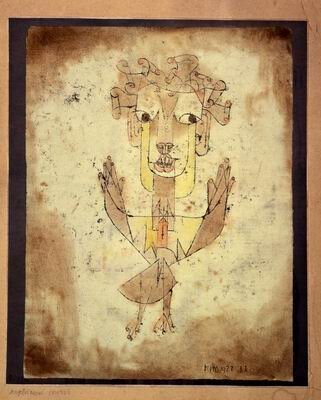
The Anatomy of Misremembering
Karl Hahn reviews Cyril O’Reagan’s latest book on Hegel and Balthasar


Genealogical Trees and Networks: Insights from Evolutionary Biology
Ryan McDermott explains the evolution of biological genealogies

A Dissenting Voice: Thomas Paine and the Narratives of Industry
Timothy DeCelle explores Thomas Paine’s writings on wealth and poverty

Three Genealogies: An Allegory
Terence Sweeney allegorizes Magnasco’s painting, Satire on a Nobleman in Misery and finds a typology of genealogical approaches: Netzschean, Englightment, and Christian

The Shallow Eighteenth Century
Kirsten Hall explains how college survey courses don’t always get history right and finds the delightful oddities of the 18th Century

